How to Turn on Multiple Lamps With One Switch
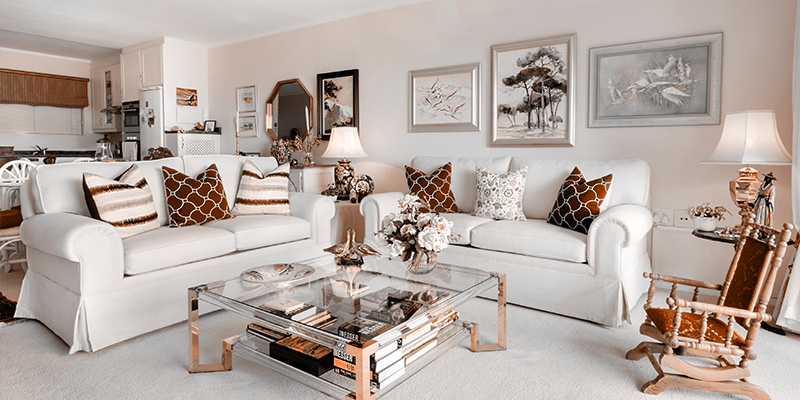
Living room with multiple lamps providing even lighting.

If you’ve ever tried to make a room feel bright and inviting, you already know the struggle:

You turn on one lamp…
…then walk across the room to turn on another…
…then another.

It completely ruins the mood you’re trying to create, especially when you just want one switch to light up the whole room.

The good news?

You can synchronize multiple lamps to a single switch without rewiring, without smart bulbs, and without relying on WiFi.

And yes—this works in apartments.


Why Most Rooms Don’t Support “Whole-Room Lighting”

Most homes—especially older ones—were built with:

  • Zero overhead lighting in bedrooms and living rooms

  • A single “half-hot” outlet meant to control one lamp

  • Wiring that was designed decades before today’s lighting trends

That means:

  • Your wall switch only controls one outlet

  • Your lamps are scattered around the room

  • The lighting feels uneven and disconnected

But with the right setup, you can fix all of this without touching a single wire.


Why Smart Bulbs Aren’t the Answer

Smart bulbs seem like a quick fix, but they come with real drawbacks:

  • They disconnect when someone uses the physical switch

  • They rely on WiFi and accounts

  • They can become glitchy after router resets

  • They need frequent updates

  • They’re expensive to outfit an entire room

Most people want something simpler—a way to use normal lamps with a normal switch.


Two Ways to Make All Your Lamps Turn On Together

1. Use the Wall Switch as a “Trigger” Instead of a Power Source

Instead of plugging lamps into the switch-controlled outlet, plug a PSYNQ transmitter into that outlet.
This lets the switch send a signal—without requiring the lamp to be physically connected to that outlet.

Place your lamps anywhere you want in the room plugged into PSYNQ receivers.
When the switch flips, all the lamps you’ve synced turn on.

No rewiring.
No apps.
No smart bulbs.
Perfect for rentals.


2. Use One Lamp to Control All the Other Lamps

Plug a conveniently placed lamp into a PSNYQ transmitter in a powered outlet.

Place your other lamps into outlets with PSYNQ receivers anywhere you want in the room.
When you turn on the master lamp, all the lamps you’ve synced turn on.

Again, there’s no rewiring, no apps, no smart bulbs, no WiFi, and no passwords. It’s perfect for rentals.


Create Soft, Even, Layered Lighting

Interior designers often talk about layered lighting, meaning:

  • Ambient light

  • Task light

  • Accent light

But most people don’t realize you can accomplish this with ordinary lamps, as long as they turn on together.

Syncing your lamps gives your room that warm, cohesive glow that makes every space feel intentional.


You Don’t Need Smart Bulbs. You Don’t Need Rewiring.

You just need a simple way to unify your lamps—so they turn on at the same time, every time, using the wall switch amd lamps you already have.

If you’ve ever wanted your lighting to “just work,” PSYNQ is built for you.

Reserve the VIP $40 price (retail ~$60) with a $1 deposit: presale.psynq.com
How to Move a Switch-Controlled Outlet Without Rewiring

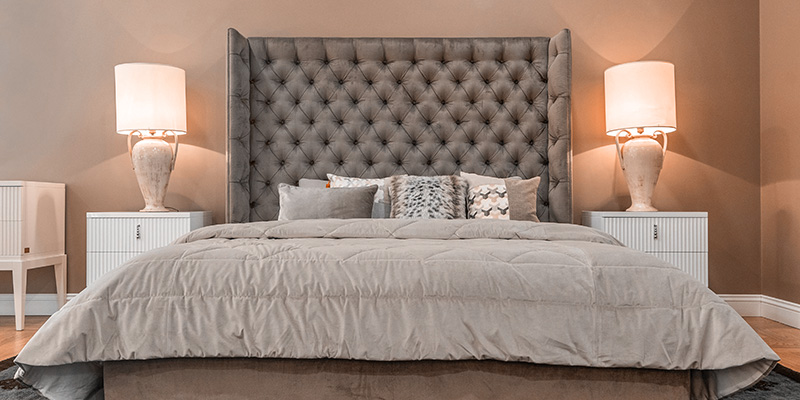
Beautiful bed with lamps on nightstands on both sides of the bed.

If your wall switch controls the wrong outlet—or controls nothing at all—you’re dealing with one of the most annoying quirks in home lighting.
It’s extremely common in:

  • Older homes

  • Apartments and rentals

  • Rooms without overhead lighting

  • Spaces built before modern layouts

But here’s the good news:

You can fix this problem without rewiring, without hiring an electrician, and without touching anything inside the wall.

Before we get into the solutions, let’s quickly look at why this happens.


Why Does This Happen in the First Place?

Most switch-controlled outlets were wired decades ago. Builders used them as a substitute for overhead lighting.

The issue?

  • The outlet they wired may not be where you want a lamp

  • Furniture layouts have changed

  • Previous owners modified part of the circuit

  • Older rooms weren’t designed for today’s lighting needs

It’s not your fault.
It’s not even your electrician’s fault.
It’s just outdated design.


Traditional Fixes Are Expensive (or Not Allowed)

If you search online, you’ll see suggestions like:

  • “Replace the outlet.”

  • “Add a new switch loop.”

  • “Run a new wire to the ceiling.”

  • “Hire an electrician.”

These fixes cost anywhere from $200–$1500+, involve drywall repair, and in apartments… you’re simply not allowed to do any of this.

There has to be an easier way—right?

Yes. There is.


Here Are the Best No-Rewiring Fixes

1. Use the Switch-Controlled Outlet as a “Trigger,” Not the Lamp’s Actual Power Source

This is the key.

Instead of plugging your lamp into the outlet the switch controls, plug something else into it—a small device that simply detects when the outlet turns on.

Then place your lamp anywhere you want, even across the room, and have it turn on when the switch is flipped.

This avoids rewiring entirely.
And it works in rentals.


2. Sync Multiple Lamps to One Switch

If your room feels dark or uneven, you can solve two problems at once:

  • Change which outlet is controlled by the wall switch

  • Synchronize your lamps so they all turn on together

That “one-switch, whole-room lighting” feel is something most apartments simply don’t offer.


3. Leave All Your Lamps in the Layout You Want

This is a big one.

Instead of rearranging your room around the outlet the switch controls, you can:

  • Put your lamps where they actually look good

  • Design the room the way you want

  • Avoid extension cords and awkward placements

Your wall switch controlled outlet finally works for you, not against you.


If Your Switch Controls the Wrong Outlet, You’re Not Stuck With It

Most people live with this problem for years because they assume rewiring is the only fix.

But you don’t need to:

  • Open walls

  • Cut drywall

  • Modify circuits

  • Hire an electrician

  • Install a smart-home system

A plug-and-play solution can solve it instantly—no tools required.

If you want to fix your switch-controlled outlet without rewiring, reserve PSYNQ for $1 and lock in the VIP $40 price (retail ~$60): presale.psynq.com

Why I Created PSYNQ: A Simple Fix for an Overcomplicated Smart-Home World

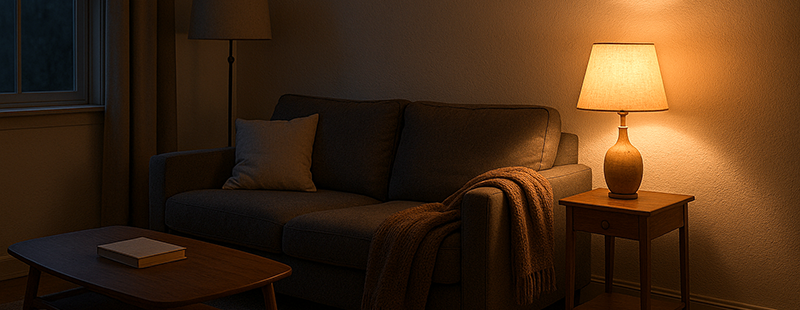
Dimly lit couch with only one lamp on next to it.

I didn’t set out to reinvent lighting.
I just wanted my rooms to work the way I wanted them to.

But like most people, I kept running into the same problems that are the reasons why I created PSYNQ:

  • The wall switch controlled the wrong outlet

  • I couldn’t turn on lamps together

  • My furniture layout didn’t match the room’s wiring

  • Smart bulbs made everything more complicated

  • Every fix required rewiring or an app

At some point, I realized:
It shouldn’t be this hard to control a lamp.


Rooms Are Designed for Builders, Not for the People Who Live There

Older homes weren’t built with today’s lifestyles in mind.
Apartments don’t allow tenants to rewire their outlets.
Renters can’t change switches or outlets.
Smart-home lighting requires WiFi, accounts, firmware updates, and constant troubleshooting.

The more “smart” the solutions got, the more frustrating they became.

I wanted something different:

  • No rewiring

  • No WiFi

  • No apps

  • No accounts

  • No smart bulbs

  • No passwords
  • No electrician required

Just a simple way to decide which outlet the switch controls and make lighting feel consistent again.


PSYNQ Started as a Personal Fix

The idea wasn’t born in a lab.
It started in a normal home with normal lighting problems.

I wanted:

  • Multiple lamps to turn on together

  • My switches to control the outlets I chose

  • Flexibility to rearrange furniture

  • A solution that would work in any home, old or new

After trying smart bulbs, smart plugs, and wiring hacks, I still didn’t have a solution that felt right.

So PSYNQ began as a DIY workaround—a simple transmitter + receiver approach to “redirect” switch control to any outlet in the room.

It solved the problem immediately.


Then I Realized: Everyone Has This Problem

Friends. Family. Neighbors. Renters. Homeowners.
Every time someone walked into a room and flipped a switch that controlled nothing, they laughed and said:

“Oh my gosh — my house does this too.”

That’s when I knew PSYNQ wasn’t just for me.


Lighting Should Be Simple, Reliable, and Yours to Control

PSYNQ is intentionally low-tech:

  • No software

  • No login

  • No WiFi

  • No ecosystem to manage

  • No complicated setup

  • Works instantly

  • Works in apartments

  • Works in older homes

  • Works even if you rearrange the room

It puts you back in control of your lighting, not the builder who wired your home decades ago.


We’re Getting Close — And You Can Join Early

PSYNQ isn’t for sale yet, but early supporters can reserve:

A VIP price discount: $40 (retail ~$60) by placing a $1 deposit now at presale.psynq.com

If you’ve ever wished your lighting “just worked,” I built this for you.

5 Lighting Problems Every Apartment Dweller Understands (and Easy Fixes)

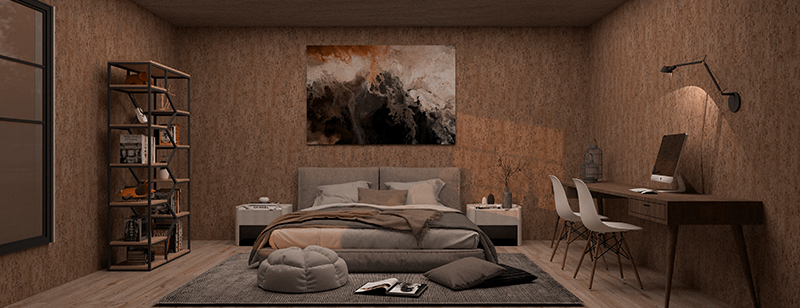
Dimly LIt Apartment Bedroom

If you live in an apartment, you already know one universal truth:

The lighting is rarely good.

Maybe the switch controls the wrong outlet.
Maybe the room has no overhead light.
Maybe your only bright corner is where you don’t want to put furniture.

Apartment lighting is an odd mix of limitations, outdated wiring, and decisions made decades before you moved in.

Here are the five most common apartment lighting frustrations—and how to fix each one without calling maintenance, rewiring anything, or investing in an expensive smart-home setup.


1. The Switch Controls the Wrong Outlet

You flip the switch near the door…
…and a lamp across the room turns on.
Or worse—nothing turns on.

This happens because many rentals use a single “half-hot” outlet as a substitute for overhead lighting. Unfortunately, the builder chose whichever outlet was easiest—not the one you want.

Easy fix:

Use the outlet the switch controls as your power signal source, then route that control to a lamp in a better location using a plug-in control system (no wiring required).


2. There’s No Overhead Lighting at All

Bedrooms and living rooms in older apartments often have zero ceiling lights.

Instead, the builder expects you to light the entire room with lamps.
And if the switch doesn’t control the right outlet… you’re walking into a dark room every night.

Easy fix:

Place one lamp near the switch-controlled outlet to act as your “entrance light,” and place additional lamps around the room that respond to that same switch using a plug-in syncing system.


3. One Lamp Is Never Enough (and They Don’t Turn On Together)

You set up two or three lamps to brighten your space—but:

  • They’re on different switches

  • They’re on different outlets

  • You must walk around the room turning them on one by one

This breaks the whole idea of creating a cozy, evenly lit room.

Easy fix:

Use a system that triggers multiple lamps from a single switch.
Synchronize your lamps so that when you turn one lamp on, other lamps turn on at the same time.
This gives you “whole-room lighting” without hardwired fixtures or smart bulbs.


4. Furniture Placement Is Limited by the Switch Outlet

You finally find the perfect place for your couch, desk, or bed…
…but now your lamp is no longer near the switch-controlled outlet.

So you have to choose between:

  • The layout you want

  • The lighting you need

Easy fix:

Use the switched outlet only as a signal, not the lamp’s actual power source.
This lets you put lamps near whichever outlet you want, regardless of how the room was wired.


5. Smart Bulbs Aren’t a Great Solution for Rentals

On paper, smart bulbs look like the answer.
In reality, they’re often a headache:

  • They require WiFi

  • They break scenes when someone uses the physical switch

  • They disconnect when routers reset

  • They need apps, accounts, updates

  • They cost way more than simple bulbs

And if you move?
You’re reinstalling and reconfiguring everything again.

Easy fix:

A simple plug-in control system lets you keep your normal bulbs, normal lamps, and normal switches—with none of the smart-home overhead.


Lighting Should Work the Way You Want—Not the Way the Building Was Wired

Apartment lighting frustrations are incredibly common—but they’re also fixable without:

  • Rewiring

  • Drilling

  • Permission from your landlord

  • Expensive smart-home gear

If you want to take control of your lighting setup and create a room that actually works for you, you can now do that with simple, renter-friendly tools.

Reserve PSYNQ at the VIP $40 price with a $1 deposit (retail ~$60): presale.psynq.com

This will close in 121 seconds