
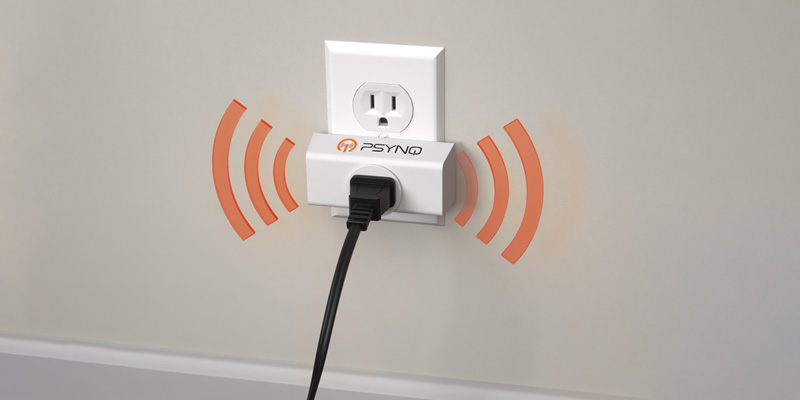
Smart home products promise a lot:
-
Convenience
-
Automation
-
Control from anywhere
-
A glimpse of the future
But if you’ve lived with smart home tech for a few years, you may have noticed a pattern:
The “smart” part doesn’t always age well.
Meanwhile, some of the most reliable things in our homes—light switches, lamps, outlets—keep working decade after decade.
There’s a reason for that.
Smart Home Systems Depend on a Lot of Things Going Right
Most smart home products rely on a chain of dependencies:
-
WiFi networks
-
Routers
-
Apps
-
Cloud services
-
User accounts
-
Firmware updates
-
Third-party servers
If any part of that chain breaks, the product often stops working as intended.
This isn’t a flaw in one specific brand—it’s a structural issue with how many smart systems are designed.
Apps Change Faster Than Homes Do
Homes last for decades.
Apartments last even longer.
Apps don’t.
Over time:
-
Apps get redesigned
-
Features get removed
-
Devices lose support
-
Companies pivot or shut down
-
Operating systems stop supporting older hardware
The result?
Perfectly functional hardware becomes frustrating—or unusable—not because it broke, but because the software ecosystem moved on.
Smart Home Obsolescence Creates Real Waste
When smart home products stop being supported, they often end up:
-
Sitting unused in a drawer
-
Tossed in a box during a move
-
Replaced by the “next generation”
-
Sent to landfills
This creates a cycle where electronics are discarded not due to physical failure, but because the ecosystem changed.
For something as basic as your home lighting, that’s a lot of unnecessary waste.
Simple Home Tech Ages Gracefully
Simple home technology has a different philosophy:
-
Fewer dependencies
-
No accounts
-
No apps
-
No cloud services
-
No firmware updates
-
No subscriptions
If it works today, it’s very likely to work years from now.
A lamp doesn’t stop working because your phone updated.
A wall switch doesn’t care if the internet is down.
That kind of longevity matters.
Longevity Is a Feature—Not a Compromise
There’s a misconception that simpler technology is “less advanced.”
In reality, it’s often more intentional.
Designing something to:
-
Work offline
-
Rely on physical controls
-
Avoid data collection
-
Resist obsolescence
…isn’t about avoiding progress.
It’s about choosing durability over novelty.
Simple Systems Are Better for Renters and Homeowners Alike
Whether you rent or own, long-lasting home tech offers real advantages:
-
Fewer things to reinstall when you move
-
No accounts to manage
-
No compatibility issues
-
No surprise failures
-
Fewer devices to replace
It’s technology that respects the fact that homes—and the people in them—change slowly.
Lighting Should Be Built to Last
For something as fundamental as lighting, reliability matters more than novelty.
Systems that:
-
Work with your home’s existing wiring
-
Function without WiFi
-
Don’t rely on apps
-
Remain useful for years
…don’t just feel better day-to-day.
They also reduce waste and avoid unnecessary upgrades.
If you’re looking for a lighting control solution designed to last—not become obsolete—reserve PSYNQ for $1 and lock in the VIP $40 price (retail ~$60): presale.psynq.com
Recent Comments