What Is a Half-Hot Outlet? (And Why It Confuses Everyone)
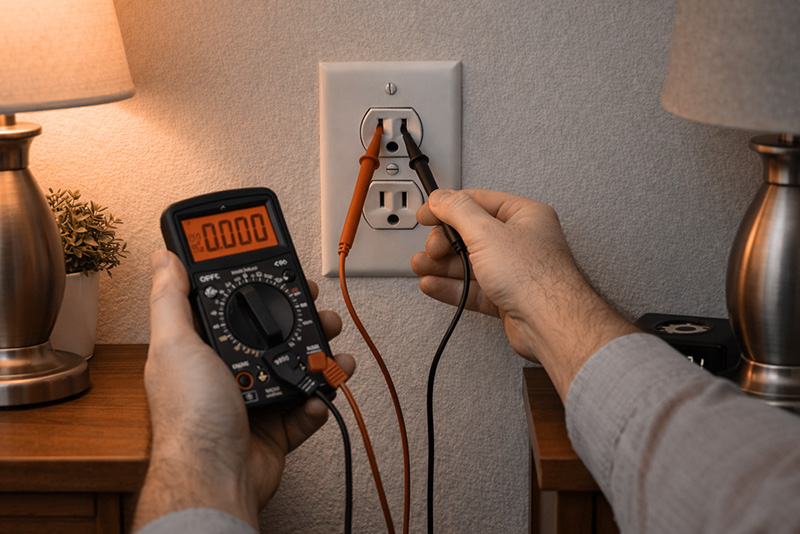
Testing a half-hot outlet to determine which plug in the outlet is controlled by the switch.

If you’ve ever plugged a lamp into an outlet, flipped the wall switch, and found that only one plug on the outlet is controlled by the switch — you’ve encountered a half-hot outlet.

Most people don’t know the term.
They just know something feels broken.

The good news: it’s not broken at all.
It’s just an outdated design that doesn’t make much sense anymore.


What a Half-Hot Outlet Actually Is

A half-hot outlet is a standard wall outlet where:

  • One plug is always on

  • The other plug is controlled by a wall switch

You can usually tell which is which by trial and error — or by noticing that only one lamp turns on when you flip the switch.

This setup was common in older homes and apartments, especially in rooms without overhead lighting.


Why Half-Hot Outlets Exist

Decades ago, builders used half-hot outlets as a cheaper alternative to installing ceiling lights.

The idea was simple:

  • Plug a lamp into the switched half

  • Use the wall switch to control your room lighting

On paper, it worked.

In reality, it assumed:

  • The lamp would stay in one place

  • Furniture layouts wouldn’t change

  • People wouldn’t need multiple light sources

None of that matches how people live today.


Why Half-Hot Outlets Are So Confusing

Half-hot outlets create problems because they’re invisible.

There’s:

  • No label

  • No indicator

  • No obvious difference between the two plugs

So people experience things like:

  • One lamp turns on, while another doesn’t

  • A phone charger works in one plug but not the other

  • The switch “controls nothing”

  • Outlets seem randomly broken

In apartments, this confusion often lasts for years.


Why They’re Especially Frustrating in Bedrooms and Living Rooms

Half-hot outlets are most annoying in rooms where lighting matters most.

In bedrooms:

  • There’s often no overhead light

  • The switch controls one random outlet

  • Bedside lamps may not be connected

In living rooms:

  • Lamps are spread across the space

  • Only one plug in one outlet responds to the switch

  • Lighting feels uneven and unfinished

The wiring dictates the room — instead of the other way around.


Why Rewiring Isn’t the Right Fix

Technically, half-hot outlets can be rewired.

But in practice:

  • It requires an electrician

  • Walls may need to be opened

  • It’s expensive

  • It’s usually not allowed in rentals

Most people simply live with the frustration.


The Modern Workaround (Without Rewiring)

The key is to stop thinking in terms of which outlet is controlled by the wall switch.

Instead, think about:

  • How you want the room to respond when you turn lights on

  • Where lamps actually make sense visually

  • How many lights should turn on together

A modern approach lets you:

  • Keep your outlets as they are

  • Place lamps anywhere

  • Synchronize lighting from a single action

  • Avoid changing the room’s wiring

The result feels intentional — even in older spaces.


Half-Hot Outlets Aren’t Broken — They’re Just Outdated

If a half-hot outlet has ever made you question your sanity, you’re not alone.

It’s a relic of older building practices colliding with modern living.

The good news is you don’t need to rewire your home to fix how the lighting functions and feels.

If you want to control and synchronize your lighting without rewiring, smart bulbs, or WiFi, you can reserve PSYNQ for $1 and lock in the VIP $40 price (retail ~$60): presale.psynq.com


Why Your Bedroom Switch Doesn’t Control a Light

Cozy bedroom with synchronized bedside lamp lighting.

If you’ve ever flipped the wall switch in a bedroom for the first time and nothing happened, you’re not imagining things — and there’s probably nothing “wrong” with your wiring.

This is one of the most common lighting frustrations in apartments and older homes.

You walk into a dark room, hit the switch, and… nothing turns on. No ceiling light. No lamp. Just darkness.

Here’s why that happens — and what you can do about it without having to call an electrician to change your wiring.


This Is Extremely Common in Bedrooms

Many bedrooms — especially in apartments and homes built decades ago — were never designed with overhead lighting.

Instead, builders often:

  • Installed a wall switch

  • Connected it to a single outlet

  • Assumed a lamp would be plugged in

If there’s no lamp plugged into that outlet, the switch appears to do nothing.

In some cases, the switch controls:

  • An outlet behind furniture

  • An outlet you don’t use

  • Half of an outlet that isn’t obvious (a half-hot outlet)

That’s why the room feels broken, even though it technically isn’t.


Why Bedrooms Often Don’t Have Overhead Lights

This design choice goes back decades.

Bedrooms were considered “lamp rooms,” not ceiling-light rooms. Installing overhead lighting cost more, so many builders skipped it and relied on switch-controlled outlets instead.

The result today:

  • No ceiling light

  • One awkwardly placed switch controlled outlet

  • Lighting that doesn’t match modern furniture layouts

And in rentals, rewiring usually isn’t an option.


Why Rewiring Isn’t a Realistic Fix

If you search online, you’ll see suggestions like:

  • Add a ceiling fixture

  • Run new wiring

  • Rewire the switch

  • Hire an electrician

Those solutions are:

  • Expensive

  • Disruptive

  • Often not allowed in apartments

Most people end up living with the problem because the “real” fixes aren’t practical.


The Practical, No-Rewiring Workaround

The key is to stop thinking of the wall switch as something that must control a ceiling light.

Instead, think of it as a simple on/off trigger that can control lighting elsewhere in the room.

That approach lets you:

  • Place lamps where they actually make sense

  • Light the room evenly

  • Turn lights on when you enter

  • Avoid making any changes to your wiring

In other words, you adapt the lighting to the room — not the room to the wiring.


Why This Matters for Bedrooms Specifically

Bedrooms are where this problem feels worst.

You don’t want to:

A lighting setup that responds instantly — from a single action — makes the room feel finished and intentional, even without an overhead light.


You’re Not Missing a Light — You’re Missing Control

If your bedroom switch doesn’t control a light, it’s not a flaw in your home.

It’s an outdated design assumption colliding with modern living.

The good news is that you don’t need to rewire anything to fix how the room feels and functions.

If you want your bedroom lighting to turn on instantly—without rewiring, smart bulbs, or WiFi—you can reserve PSYNQ for $1 and lock in the VIP $40 price (retail ~$60): presale.psynq.com
How to Brighten a Dark Room Without Adding Overhead Lighting

Couch and floor lamp in a dimply lit room.

If you live in a home or apartment with no overhead lighting, you’re not alone.
Bedrooms and living rooms built decades ago often rely entirely on lamps, which means:

  • The room feels dim

  • Lighting is uneven

  • You walk into darkness every time you enter

  • Rearranging furniture only makes the problem worse

The good news?
You don’t need to install overhead lighting—or hire an electrician—to brighten a dark room without overhead lighting.

Here are simple, practical ways to brighten a dark room using plug-in solutions only, perfect for renters and homeowners alike.


1. Use Multiple Lamps to Create “Layered Light”

Instead of relying on a single lamp to light the entire room, spread out two or three lamps in different corners.

Think of it like filling the space with soft pockets of light:

  • One near the sofa or bed

  • One in a dark corner

  • One for reading or work

This creates warm, even brightness that feels natural and balanced.

Tip: Lamps with fabric shades tend to diffuse light more evenly.


2. Place Your Lamps at Different Heights

Lighting works best when it comes from multiple angles.
Use a mix of:

  • Floor lamps

  • Table lamps

  • Shelf lamps

A lamp placed higher up creates a soft downward glow, while a table lamp fills the middle of the room. Combining them eliminates shadows and brightens the entire space.


3. Use Warmer Bulbs for a Brighter Feel

Soft white (2700K–3000K) bulbs create a warm, inviting glow — and often feel brighter in living spaces than harsh daylight bulbs.

Choose bulbs between 60–100 watts equivalent for most rooms.


4. Fix the Problem of Lamps Not Turning On Together

One of the biggest frustrations in dark rooms is having to walk around turning on multiple lamps manually.
This leads to:

  • Uneven lighting

  • One corner feeling bright while others stay dark

  • Lamps being ignored because they’re inconvenient to reach

But you can fix this without smart bulbs or apps — just by letting your existing wall switch control all your lamps.

That way:

  • You enter the room → flip the switch → every lamp you want turns on

  • The room brightens evenly in a single action

This is one of the easiest ways to make a dark room feel bright instantly.


5. Avoid Smart Bulbs if You Want Simplicity

Smart bulbs can help brighten a room, but they come with drawbacks:

  • They disconnect when someone turns off the switch controlled outlet

  • They depend on WiFi

  • They require apps, accounts, passwords, & updates

  • Outfitting a whole room gets expensive

If you want simple, there are plug-in solutions that work with normal bulbs and normal lamps.


6. Use Light-Colored Surfaces to Reflect Light

A quick decor tip:
Surfaces reflect light better when they’re lighter in color.

This includes:

  • Curtains

  • Rugs

  • Bedding

  • Wall art

  • Side tables

  • Lamp shades

You don’t need to repaint — even a light-colored throw blanket or rug can brighten the room noticeably.


Brightening a Room Doesn’t Have to Be Complicated

You can make a dramatic difference with:

  • Better lamp placement

  • Multiple light sources

  • Warm bulbs

  • Simple plug-in solutions that unify your lighting

You don’t need overhead lighting.
You don’t need smart bulbs.
You don’t need rewiring.
You just need smart, renter-friendly choices.

If you want all your lamps to turn on at once — instantly brightening your room — reserve PSYNQ for $1 and lock in the VIP $40 price (retail ~$60): presale.psynq.com
How to Turn on Multiple Lamps With One Switch

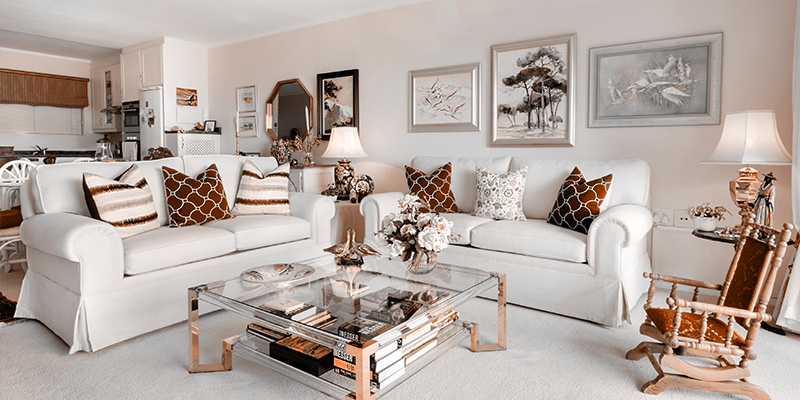
Living room with multiple lamps providing even lighting.

If you’ve ever tried to make a room feel bright and inviting, you already know the struggle:

You turn on one lamp…
…then walk across the room to turn on another…
…then another.

It completely ruins the mood you’re trying to create, especially when you just want one switch to light up the whole room.

The good news?

You can synchronize multiple lamps to a single switch without rewiring, without smart bulbs, and without relying on WiFi.

And yes—this works in apartments.


Why Most Rooms Don’t Support “Whole-Room Lighting”

Most homes—especially older ones—were built with:

  • Zero overhead lighting in bedrooms and living rooms

  • A single “half-hot” outlet meant to control one lamp

  • Wiring that was designed decades before today’s lighting trends

That means:

  • Your wall switch only controls one outlet

  • Your lamps are scattered around the room

  • The lighting feels uneven and disconnected

But with the right setup, you can fix all of this without touching a single wire.


Why Smart Bulbs Aren’t the Answer

Smart bulbs seem like a quick fix, but they come with real drawbacks:

  • They disconnect when someone uses the physical switch

  • They rely on WiFi and accounts

  • They can become glitchy after router resets

  • They need frequent updates

  • They’re expensive to outfit an entire room

Most people want something simpler—a way to use normal lamps with a normal switch.


Two Ways to Make All Your Lamps Turn On Together

1. Use the Wall Switch as a “Trigger” Instead of a Power Source

Instead of plugging lamps into the switch-controlled outlet, plug a PSYNQ transmitter into that outlet.
This lets the switch send a signal—without requiring the lamp to be physically connected to that outlet.

Place your lamps anywhere you want in the room plugged into PSYNQ receivers.
When the switch flips, all the lamps you’ve synced turn on.

No rewiring.
No apps.
No smart bulbs.
Perfect for rentals.


2. Use One Lamp to Control All the Other Lamps

Plug a conveniently placed lamp into a PSNYQ transmitter in a powered outlet.

Place your other lamps into outlets with PSYNQ receivers anywhere you want in the room.
When you turn on the master lamp, all the lamps you’ve synced turn on.

Again, there’s no rewiring, no apps, no smart bulbs, no WiFi, and no passwords. It’s perfect for rentals.


Create Soft, Even, Layered Lighting

Interior designers often talk about layered lighting, meaning:

  • Ambient light

  • Task light

  • Accent light

But most people don’t realize you can accomplish this with ordinary lamps, as long as they turn on together.

Syncing your lamps gives your room that warm, cohesive glow that makes every space feel intentional.


You Don’t Need Smart Bulbs. You Don’t Need Rewiring.

You just need a simple way to unify your lamps—so they turn on at the same time, every time, using the wall switch amd lamps you already have.

If you’ve ever wanted your lighting to “just work,” PSYNQ is built for you.

Reserve the VIP $40 price (retail ~$60) with a $1 deposit: presale.psynq.com

How to Move a Switch-Controlled Outlet Without Rewiring

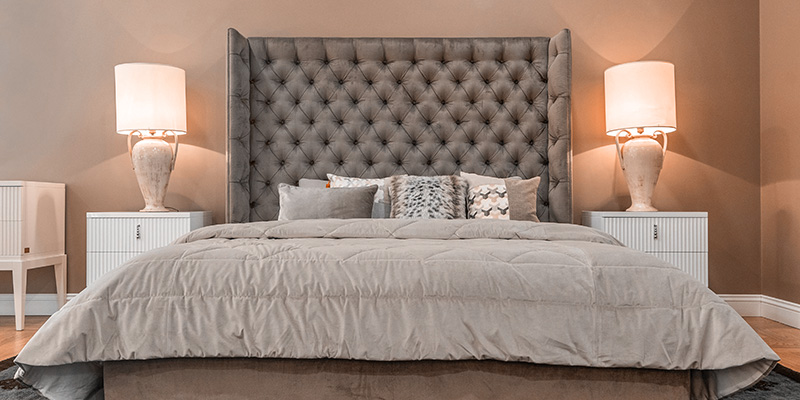
Beautiful bed with lamps on nightstands on both sides of the bed.

If your wall switch controls the wrong outlet—or controls nothing at all—you’re dealing with one of the most annoying quirks in home lighting.
It’s extremely common in:

  • Older homes

  • Apartments and rentals

  • Rooms without overhead lighting

  • Spaces built before modern layouts

But here’s the good news:

You can fix this problem without rewiring, without hiring an electrician, and without touching anything inside the wall.

Before we get into the solutions, let’s quickly look at why this happens.


Why Does This Happen in the First Place?

Most switch-controlled outlets were wired decades ago. Builders used them as a substitute for overhead lighting.

The issue?

  • The outlet they wired may not be where you want a lamp

  • Furniture layouts have changed

  • Previous owners modified part of the circuit

  • Older rooms weren’t designed for today’s lighting needs

It’s not your fault.
It’s not even your electrician’s fault.
It’s just outdated design.


Traditional Fixes Are Expensive (or Not Allowed)

If you search online, you’ll see suggestions like:

  • “Replace the outlet.”

  • “Add a new switch loop.”

  • “Run a new wire to the ceiling.”

  • “Hire an electrician.”

These fixes cost anywhere from $200–$1500+, involve drywall repair, and in apartments… you’re simply not allowed to do any of this.

There has to be an easier way—right?

Yes. There is.


Here Are the Best No-Rewiring Fixes

1. Use the Switch-Controlled Outlet as a “Trigger,” Not the Lamp’s Actual Power Source

This is the key.

Instead of plugging your lamp into the outlet the switch controls, plug something else into it—a small device that simply detects when the outlet turns on.

Then place your lamp anywhere you want, even across the room, and have it turn on when the switch is flipped.

This avoids rewiring entirely.
And it works in rentals.


2. Sync Multiple Lamps to One Switch

If your room feels dark or uneven, you can solve two problems at once:

  • Change which outlet is controlled by the wall switch

  • Synchronize your lamps so they all turn on together

That “one-switch, whole-room lighting” feel is something most apartments simply don’t offer.


3. Leave All Your Lamps in the Layout You Want

This is a big one.

Instead of rearranging your room around the outlet the switch controls, you can:

  • Put your lamps where they actually look good

  • Design the room the way you want

  • Avoid extension cords and awkward placements

Your wall switch controlled outlet finally works for you, not against you.


If Your Switch Controls the Wrong Outlet, You’re Not Stuck With It

Most people live with this problem for years because they assume rewiring is the only fix.

But you don’t need to:

  • Open walls

  • Cut drywall

  • Modify circuits

  • Hire an electrician

  • Install a smart-home system

A plug-and-play solution can solve it instantly—no tools required.

If you want to fix your switch-controlled outlet without rewiring, reserve PSYNQ for $1 and lock in the VIP $40 price (retail ~$60): presale.psynq.com