Why Smart Bulbs Aren’t the Best Fix for Apartment Lighting
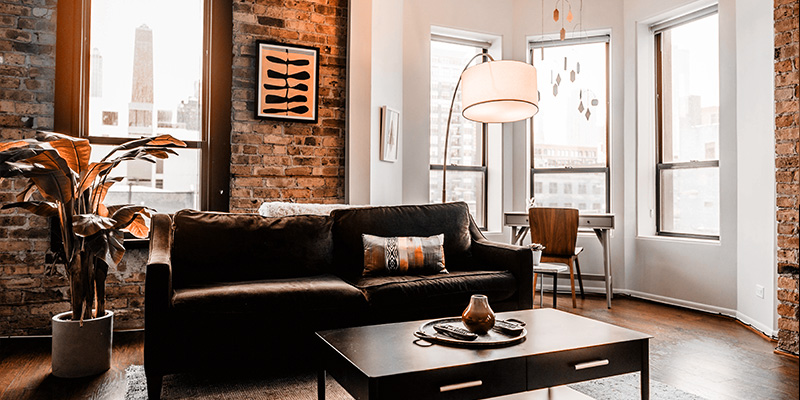
Apartment living room showing how smart bulbs can cause problems for apartment lighting.

On paper, smart bulbs sound like the perfect solution for apartment lighting:

  • No rewiring

  • App control

  • Schedules

  • Scenes

  • Automation

But if you’ve actually used smart bulbs in an apartment, you may have realized something pretty quickly:

They don’t solve the core problem—and often introduce new ones.

Here’s why smart bulbs usually aren’t the best fix for apartment lighting.


The Core Apartment Lighting Problem Isn’t the Bulb

Most apartment lighting problems come from one thing:

The wall switch controls the wrong outlet—or nothing at all.

Smart bulbs don’t fix that.

In fact, they often fight with it.

If someone flips the wall switch off, the smart bulb loses power—and suddenly:

  • The app stops working

  • Automations break

  • Voice control fails

  • Schedules don’t trigger

You end up with a “smart” system that only works if everyone remembers not to use the physical switch.

That’s not intuitive.
And it’s not renter-friendly.


Smart Bulbs Don’t Work Well for Guests, Babysitters, or Family

This is one of the biggest issues people don’t talk about.

Smart bulb systems assume that everyone using your home:

  • Has access to the smart bulb app and your WiFi network
  • Knows how your app works

  • Understands voice commands

  • Remembers not to touch the switch

But real homes have:

  • Houseguests

  • Babysitters

  • Grandparents

  • Kids

  • Pet sitters

None of them want a tutorial just to turn on a lamp.

If the lighting doesn’t work with a normal wall switch, it’s not truly usable.


WiFi-Dependent Lighting Creates Privacy and Security Risks

Most smart lighting systems rely on:

  • WiFi

  • Cloud services

  • User accounts

  • Third-party servers

That introduces real concerns:

  • Devices connected to your home network

  • Software updates you don’t control

  • Cloud services that can be shut down

  • Data you didn’t intend to share

  • Potential malicious access to your home network

For something as basic as turning on a lamp, that’s a lot of unnecessary exposure.

Especially in rentals, apartments, or shared homes, many people prefer lighting that:

  • Works locally

  • Doesn’t require internet access

  • Doesn’t collect data

  • Doesn’t depend on an app staying supported


Smart Bulbs Get Expensive—Fast

Outfitting an entire room with smart bulbs means:

  • Replacing every bulb

  • Matching bulb types and brands

  • Managing firmware updates

  • Dealing with failures one bulb at a time

And when you move?

You’re either:

  • Reinstalling everything

  • Re-pairing everything

  • Or leaving expensive bulbs behind

That’s a lot of complexity for a problem that started with a poorly placed outlet.


Lighting Should Work the Same Way for Everyone

Good lighting systems share a few important traits:

  • They work with your home’s existing wall switches

  • They don’t rely on WiFi

  • They don’t need accounts or apps

  • They’re intuitive for anyone

  • They work even if the internet is down

In apartments especially, lighting should feel boring in the best way possible—reliable, predictable, and simple.


A Simpler Approach Works Better in Apartments

Instead of making every bulb “smart,” it’s often better to:

  • Let the wall switch remain the main control

  • Redirect that control where you actually need it

  • Keep normal bulbs and normal lamps

  • Avoid WiFi and apps entirely

That approach solves the real problem—without creating new ones.

If you want to control multiple lamps from a wall switch without using smart bulbs,  cell phone apps, or WiFi, reserve your PSYNQ for $1 and lock in the $40 VIP price (retail ~$60): presale.psynq.com
How to Turn on Multiple Lamps With One Switch

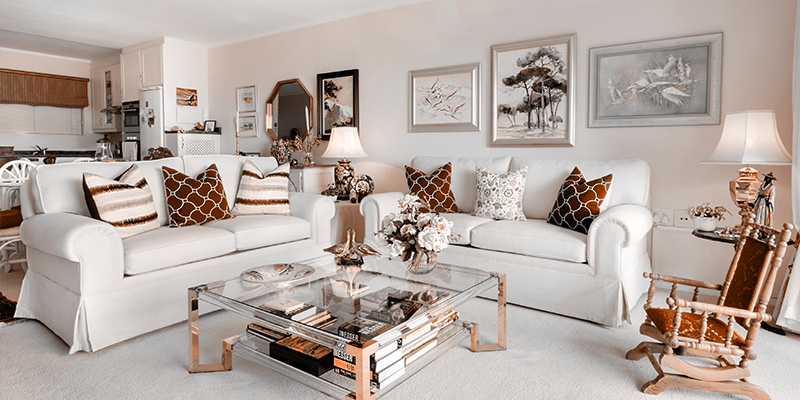
Living room with multiple lamps providing even lighting.

If you’ve ever tried to make a room feel bright and inviting, you already know the struggle:

You turn on one lamp…
…then walk across the room to turn on another…
…then another.

It completely ruins the mood you’re trying to create, especially when you just want one switch to light up the whole room.

The good news?

You can synchronize multiple lamps to a single switch without rewiring, without smart bulbs, and without relying on WiFi.

And yes—this works in apartments.


Why Most Rooms Don’t Support “Whole-Room Lighting”

Most homes—especially older ones—were built with:

  • Zero overhead lighting in bedrooms and living rooms

  • A single “half-hot” outlet meant to control one lamp

  • Wiring that was designed decades before today’s lighting trends

That means:

  • Your wall switch only controls one outlet

  • Your lamps are scattered around the room

  • The lighting feels uneven and disconnected

But with the right setup, you can fix all of this without touching a single wire.


Why Smart Bulbs Aren’t the Answer

Smart bulbs seem like a quick fix, but they come with real drawbacks:

  • They disconnect when someone uses the physical switch

  • They rely on WiFi and accounts

  • They can become glitchy after router resets

  • They need frequent updates

  • They’re expensive to outfit an entire room

Most people want something simpler—a way to use normal lamps with a normal switch.


Two Ways to Make All Your Lamps Turn On Together

1. Use the Wall Switch as a “Trigger” Instead of a Power Source

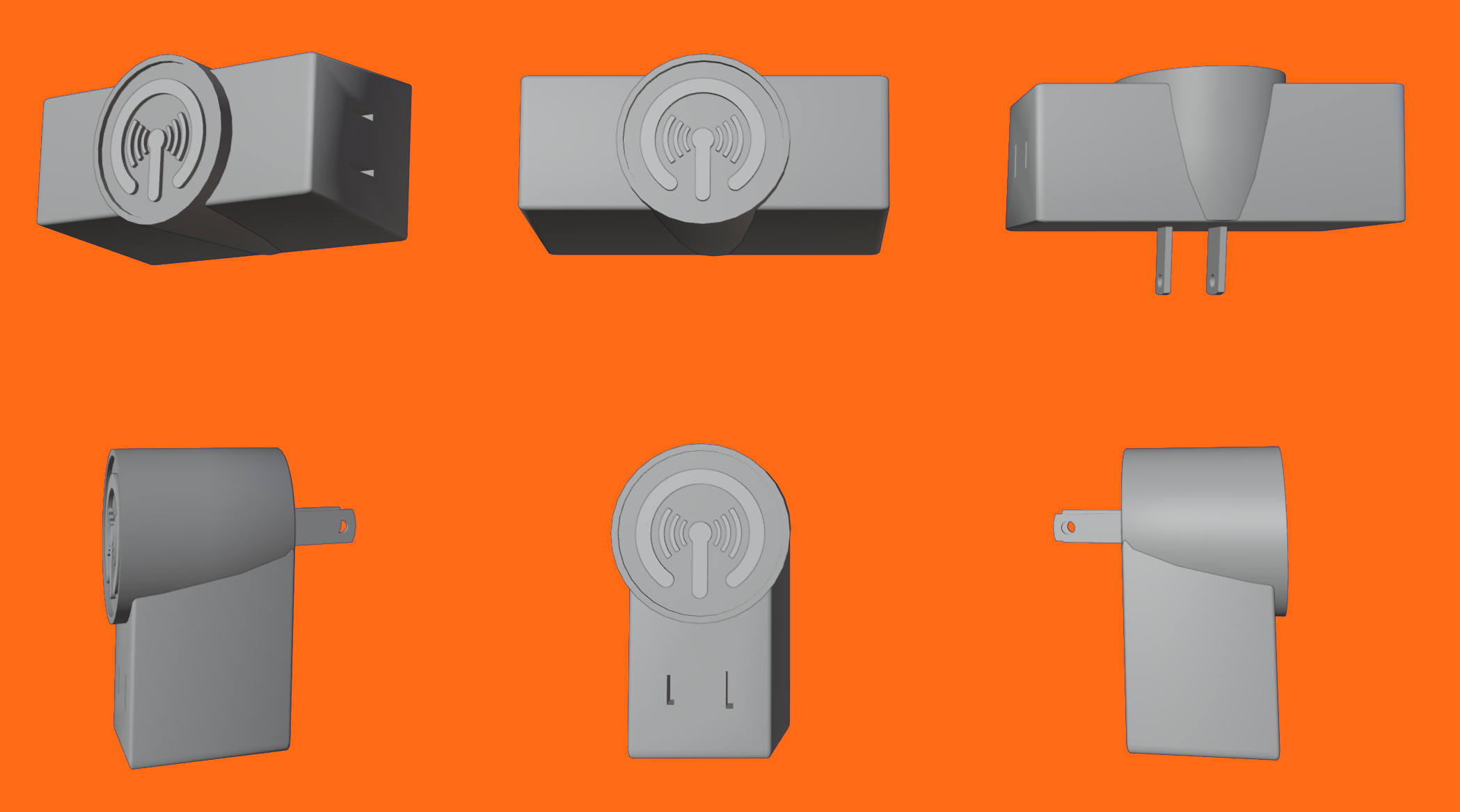
Instead of plugging lamps into the switch-controlled outlet, plug a PSYNQ transmitter into that outlet.
This lets the switch send a signal—without requiring the lamp to be physically connected to that outlet.

Place your lamps anywhere you want in the room plugged into PSYNQ receivers.
When the switch flips, all the lamps you’ve synced turn on.

No rewiring.
No apps.
No smart bulbs.
Perfect for rentals.


2. Use One Lamp to Control All the Other Lamps

Plug a conveniently placed lamp into a PSNYQ transmitter in a powered outlet.

Place your other lamps into outlets with PSYNQ receivers anywhere you want in the room.
When you turn on the master lamp, all the lamps you’ve synced turn on.

Again, there’s no rewiring, no apps, no smart bulbs, no WiFi, and no passwords. It’s perfect for rentals.


Create Soft, Even, Layered Lighting

Interior designers often talk about layered lighting, meaning:

  • Ambient light

  • Task light

  • Accent light

But most people don’t realize you can accomplish this with ordinary lamps, as long as they turn on together.

Syncing your lamps gives your room that warm, cohesive glow that makes every space feel intentional.


You Don’t Need Smart Bulbs. You Don’t Need Rewiring.

You just need a simple way to unify your lamps—so they turn on at the same time, every time, using the wall switch amd lamps you already have.

If you’ve ever wanted your lighting to “just work,” PSYNQ is built for you.

Reserve the VIP $40 price (retail ~$60) with a $1 deposit: presale.psynq.com

Catching Up

PSYNQ Modeling

I haven’t updated the blog in quite some time, but that doesn’t mean we haven’t been working. I wanted to share a PSYNQ progress update to let everyone know how things are going.

After developing a successful proof of concept PSYNQ device, the project ground to a halt with minimal progress for a number of years. The parts list for the proof of concept device was too expensive, and the RF components being used were of questionable quality. I was discouraged, but still very much committed to bringing this product to life.

After struggling to come up with a way around our difficulties for a number of years, a friend put me in contact with another engineer he thought could help. I set up a Zoom meeting and explained our product and how it worked. Almost immediately he had proposals for simpler and cheaper ways to accomplish the product objectives.

Since then we have continued to move forward with PSYNQ product development and marketing plans. The plan is to launch our Indiegogo campain in the spring of 2024.

Stay tuned for upcoming details.

We’re Getting Close — And You Can Join Early

PSYNQ isn’t for sale yet, but early supporters can reserve:

A VIP price discount: $40 (retail ~$60) by placing a $1 deposit now at presale.psynq.com