How to Move a Switch-Controlled Outlet Without Rewiring
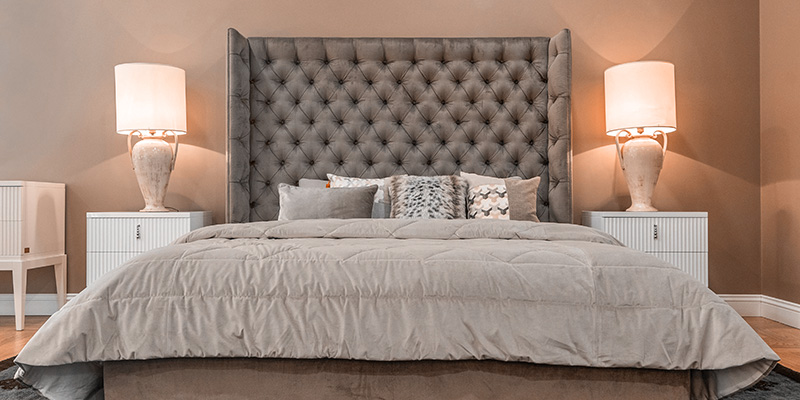
Beautiful bed with lamps on nightstands on both sides of the bed.

If your wall switch controls the wrong outlet—or controls nothing at all—you’re dealing with one of the most annoying quirks in home lighting.
It’s extremely common in:

  • Older homes

  • Apartments and rentals

  • Rooms without overhead lighting

  • Spaces built before modern layouts

But here’s the good news:

You can fix this problem without rewiring, without hiring an electrician, and without touching anything inside the wall.

Before we get into the solutions, let’s quickly look at why this happens.


Why Does This Happen in the First Place?

Most switch-controlled outlets were wired decades ago. Builders used them as a substitute for overhead lighting.

The issue?

  • The outlet they wired may not be where you want a lamp

  • Furniture layouts have changed

  • Previous owners modified part of the circuit

  • Older rooms weren’t designed for today’s lighting needs

It’s not your fault.
It’s not even your electrician’s fault.
It’s just outdated design.


Traditional Fixes Are Expensive (or Not Allowed)

If you search online, you’ll see suggestions like:

  • “Replace the outlet.”

  • “Add a new switch loop.”

  • “Run a new wire to the ceiling.”

  • “Hire an electrician.”

These fixes cost anywhere from $200–$1500+, involve drywall repair, and in apartments… you’re simply not allowed to do any of this.

There has to be an easier way—right?

Yes. There is.


Here Are the Best No-Rewiring Fixes

1. Use the Switch-Controlled Outlet as a “Trigger,” Not the Lamp’s Actual Power Source

This is the key.

Instead of plugging your lamp into the outlet the switch controls, plug something else into it—a small device that simply detects when the outlet turns on.

Then place your lamp anywhere you want, even across the room, and have it turn on when the switch is flipped.

This avoids rewiring entirely.
And it works in rentals.


2. Sync Multiple Lamps to One Switch

If your room feels dark or uneven, you can solve two problems at once:

  • Change which outlet is controlled by the wall switch

  • Synchronize your lamps so they all turn on together

That “one-switch, whole-room lighting” feel is something most apartments simply don’t offer.


3. Leave All Your Lamps in the Layout You Want

This is a big one.

Instead of rearranging your room around the outlet the switch controls, you can:

  • Put your lamps where they actually look good

  • Design the room the way you want

  • Avoid extension cords and awkward placements

Your wall switch controlled outlet finally works for you, not against you.


If Your Switch Controls the Wrong Outlet, You’re Not Stuck With It

Most people live with this problem for years because they assume rewiring is the only fix.

But you don’t need to:

  • Open walls

  • Cut drywall

  • Modify circuits

  • Hire an electrician

  • Install a smart-home system

A plug-and-play solution can solve it instantly—no tools required.

If you want to fix your switch-controlled outlet without rewiring, reserve PSYNQ for $1 and lock in the VIP $40 price (retail ~$60): presale.psynq.com
5 Lighting Problems Every Apartment Dweller Understands (and Easy Fixes)

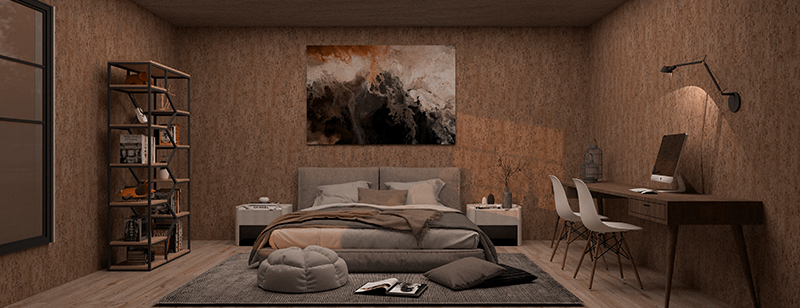
Dimly LIt Apartment Bedroom

If you live in an apartment, you already know one universal truth:

The lighting is rarely good.

Maybe the switch controls the wrong outlet.
Maybe the room has no overhead light.
Maybe your only bright corner is where you don’t want to put furniture.

Apartment lighting is an odd mix of limitations, outdated wiring, and decisions made decades before you moved in.

Here are the five most common apartment lighting frustrations—and how to fix each one without calling maintenance, rewiring anything, or investing in an expensive smart-home setup.


1. The Switch Controls the Wrong Outlet

You flip the switch near the door…
…and a lamp across the room turns on.
Or worse—nothing turns on.

This happens because many rentals use a single “half-hot” outlet as a substitute for overhead lighting. Unfortunately, the builder chose whichever outlet was easiest—not the one you want.

Easy fix:

Use the outlet the switch controls as your power signal source, then route that control to a lamp in a better location using a plug-in control system (no wiring required).


2. There’s No Overhead Lighting at All

Bedrooms and living rooms in older apartments often have zero ceiling lights.

Instead, the builder expects you to light the entire room with lamps.
And if the switch doesn’t control the right outlet… you’re walking into a dark room every night.

Easy fix:

Place one lamp near the switch-controlled outlet to act as your “entrance light,” and place additional lamps around the room that respond to that same switch using a plug-in syncing system.


3. One Lamp Is Never Enough (and They Don’t Turn On Together)

You set up two or three lamps to brighten your space—but:

  • They’re on different switches

  • They’re on different outlets

  • You must walk around the room turning them on one by one

This breaks the whole idea of creating a cozy, evenly lit room.

Easy fix:

Use a system that triggers multiple lamps from a single switch.
Synchronize your lamps so that when you turn one lamp on, other lamps turn on at the same time.
This gives you “whole-room lighting” without hardwired fixtures or smart bulbs.


4. Furniture Placement Is Limited by the Switch Outlet

You finally find the perfect place for your couch, desk, or bed…
…but now your lamp is no longer near the switch-controlled outlet.

So you have to choose between:

  • The layout you want

  • The lighting you need

Easy fix:

Use the switched outlet only as a signal, not the lamp’s actual power source.
This lets you put lamps near whichever outlet you want, regardless of how the room was wired.


5. Smart Bulbs Aren’t a Great Solution for Rentals

On paper, smart bulbs look like the answer.
In reality, they’re often a headache:

  • They require WiFi

  • They break scenes when someone uses the physical switch

  • They disconnect when routers reset

  • They need apps, accounts, updates

  • They cost way more than simple bulbs

And if you move?
You’re reinstalling and reconfiguring everything again.

Easy fix:

A simple plug-in control system lets you keep your normal bulbs, normal lamps, and normal switches—with none of the smart-home overhead.


Lighting Should Work the Way You Want—Not the Way the Building Was Wired

Apartment lighting frustrations are incredibly common—but they’re also fixable without:

  • Rewiring

  • Drilling

  • Permission from your landlord

  • Expensive smart-home gear

If you want to take control of your lighting setup and create a room that actually works for you, you can now do that with simple, renter-friendly tools.

Reserve PSYNQ at the VIP $40 price with a $1 deposit (retail ~$60): presale.psynq.com

Catching Up

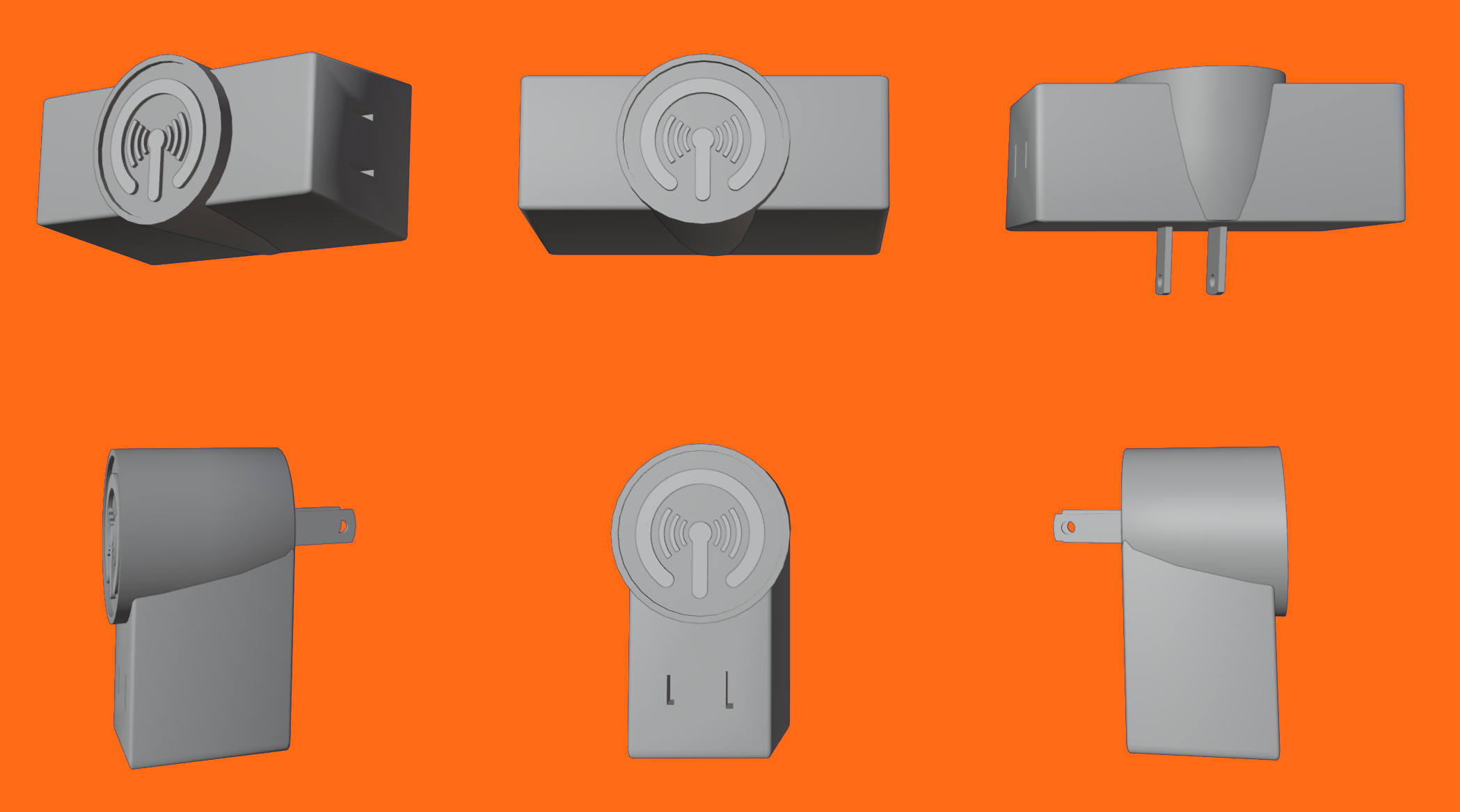
PSYNQ Modeling

I haven’t updated the blog in quite some time, but that doesn’t mean we haven’t been working. I wanted to share a PSYNQ progress update to let everyone know how things are going.

After developing a successful proof of concept PSYNQ device, the project ground to a halt with minimal progress for a number of years. The parts list for the proof of concept device was too expensive, and the RF components being used were of questionable quality. I was discouraged, but still very much committed to bringing this product to life.

After struggling to come up with a way around our difficulties for a number of years, a friend put me in contact with another engineer he thought could help. I set up a Zoom meeting and explained our product and how it worked. Almost immediately he had proposals for simpler and cheaper ways to accomplish the product objectives.

Since then we have continued to move forward with PSYNQ product development and marketing plans. The plan is to launch our Indiegogo campain in the spring of 2024.

Stay tuned for upcoming details.

We’re Getting Close — And You Can Join Early

PSYNQ isn’t for sale yet, but early supporters can reserve:

A VIP price discount: $40 (retail ~$60) by placing a $1 deposit now at presale.psynq.com

The Search

Was there already a product that solved this problem?

The search was on for a simple solution to our light switch problem. I had a lamp plugged into an outlet. I had a wall light switch I was used to using. I didn’t want to rewire the house. Surely someone had already solved this problem with simple product right? 

I searched and searched around online and came up with nothing. I went to a variety of stores and asked if they had something. Surely Bed Bath & Beyond already had this product, and I could use a coupon right? Wrong. I had some friends who thought they were good at using Google do some searching and they couldn’t find anything. I was starting to become convinced that this product wasn’t on the market yet.

I even took a dive down the ‘smart home’ rabbit hole and I’m still not sure if the smart home products would let you reconfigure a wall switch to control different outlets. You can definitely use your phone to control the power at an outlet, but this was for a room for our first baby. The last thing I wanted to worry about during 3am diaper changes was whether or not I had my phone with me. 

So then the next natural question was: how hard would it be to develop this product?

My Wife is the Mother of Invention

This all started about 6 years ago when my wife and I learned that we were expecting our first child. After procrastinating for as long as I could, we began the nesting process. Along with remodeling the bathroom, we also needed to set up a nursery for our incoming daughter.

This was a time of busy activity and anticipation. We picked out paint colors, bought a crib, and hung a decorative alphabet of hand crafted letters on the one wall. I also learned that my wife’s family has a tradition of having a rocking chair in the nursery to use for nursing and rocking the baby to sleep. We decided how we were going to arrange the furniture in our modest nursery and knew just where we wanted to put the rocking chair. My wife figured that the floor lamp would be positioned right next to the rocking chair in the corner opposite the door.

That’s when we discovered our problem.

According to building codes, every room in a house either needs to have an overhead light controlled by a switch near the door, or a power outlet that is controlled by a switch near the door. Our new nursery had a switch controlled outlet near the door, but the lamp that would be the main source of light for the room was going to be about 12 feet away from the door. Running an extension cord across the room wasn’t going to be a practical solution. The nursery was a second story room with no access to the wiring from underneath. I also wasn’t very enthused about the idea of crawling around in an attic that was full of blown insulation to fish new wires down to rewire our room. Plus, I knew we would probably want to rearrange the room again at some point in the future, so that would mean rewiring the room yet again.

There had to be a simpler way to get our hard-wired wall switch to control a different outlet.

They say that necessity is the mother of invention. In this particular instance, I can say my wife is the mother of invention.